


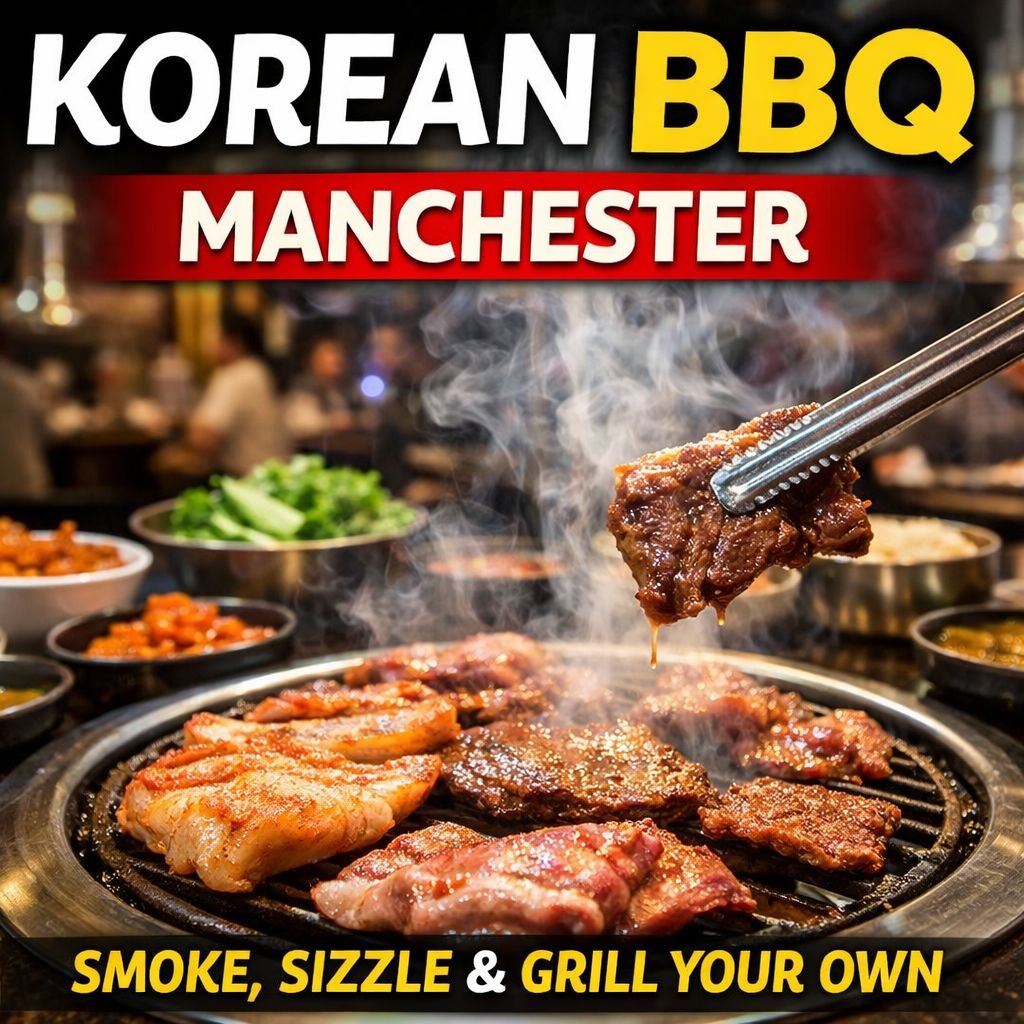
A weeknight in central Manchester, and the pavement outside Ban Di Bul is already forming a queue. Not the orderly kind, but the uncertain British cluster where no one’s quite sure who arrived first. Inside, industrial extractor fans hum overhead, pulling smoke from dozens of table grills while twentysomethings in work shirts and students in hoodies cook marinated beef at close quarters. This is korean bbq manchester style: functional, crowded, and completely unpretentious.
Korean barbecue has been finding its footing in Greater Manchester for more than a decade, but the format has shifted gears in recent years. What began as a handful of specialist restaurants has grown into a dining category spanning Hulme basements, Stockport terraced houses, and — from October 2025 a 165-seat operation at Piccadilly Plaza billed as the UK’s largest. The appeal isn’t novelty. It’s the interactivity. You order raw meat, it arrives on platters, and you cook it yourself while banchan quietly multiplies around the grill.
What Korean BBQ Means in Practice
The Manchester interpretation borrows the mechanics from Seoul but adapts them to local appetite and budget. Most venues use gas-fired tabletop grills rather than charcoal, simplifying ventilation and speeding up table turnover. Exceptions such as Baekdu in Stockport make a point of advertising charcoal setups. Charcoal delivers deeper smokiness but demands stronger extraction and longer prep times. Gas is cleaner, faster, and more forgiving.
Menus follow a familiar pattern: bulgogi, pork belly, marinated short ribs, sometimes chicken. Premium cuts appear at higher end spots but aren’t standard. Everything arrives pre-sliced and ready to cook. The pace is quick. You’re constantly flipping, wrapping, dipping, and refilling.
The traditional method involves lettuce wraps grilled meat, ssamjang, garlic or kimchi, folded and eaten in one bite. It’s messy, communal, and designed for groups. Solo diners can manage, but the format leans heavily toward shared tables.
Where It Fits in Manchester’s Dining Landscape
Manchester has no shortage of group dining concepts. Brazilian rodízio, Chinese hotpot, and tapas bars all chase the same weekend crowd. korean bbq manchester sits between them: more hands-on than a steakhouse, less soup-driven than hotpot, and cheaper than premium grills.
Prices cluster around £22 to £30 per head for all you can eat formats, with à la carte options climbing higher. Students are a core audience, stretching a two-hour slot into a full evening for under £25. Azuma in Hulme has built loyalty on affordability and proximity to student halls, not ambience.
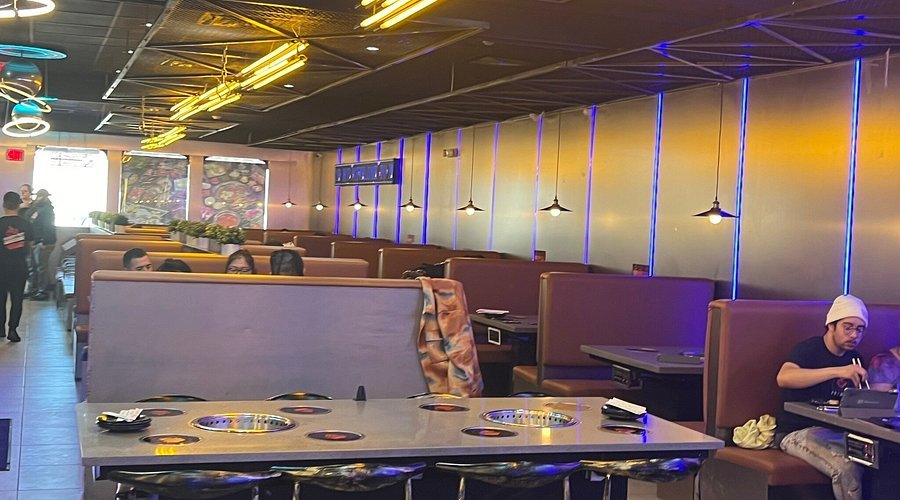
By contrast, Annyeong on Chapel Walks targets an older crowd with marble surfaces, moody lighting, and Korean BBQ Manchester sets that include seafood. The Instagram audience turns up for visuals, but diners still cook everything themselves. Student discounts acknowledge the overlap.
Seoul Kimchi on Upper Brook Street occupies stranger territory. Small, family-run, and positioned beside the Royal Infirmary entrance, it leans more toward home-style Korean cooking than pure barbecue. The location gives it an accidental authenticity polished city-centre venues can’t fake.
Pricing, Portions, and the Two Hour Reality
Most all you can eat operations run on strict two hour slots. You pay a fixed price and order repeatedly from a tick-sheet menu. Soft drinks are often unlimited; alcohol isn’t. The model encourages volume but subtly pressures diners to keep ordering.
À la carte menus vary more widely. Set menus can reach £37.90 for seafood and beef combinations, while individual cuts range from £8 to £15. Compared to a mid-range steakhouse charging £25 for a single ribeye, Korean BBQ Manchester offers variety and duration rather than luxury.
Smoke, Ventilation, and the Sensory Truth
One reality rarely advertised: the smoke. Even with modern extraction, your clothes will carry the smell. Some venues manage this better than others. Annyeong’s ventilation performs well; older setups can leave diners in a haze.
Read More: Cafe Continental Stalybridge Is Drawing Diners Back to Melbourne Street
Industrial ducting and visible extractors aren’t aesthetic choices they’re functional necessities. Charcoal grills produce more flavour and more smoke. Gas grills sacrifice some intensity for practicality. Staff should replace grill tops regularly; if they don’t, ask.
Authenticity, Adaptation, and Local Taste
Korean food’s UK growth has been accelerated by pop culture, but Manchester’s scene reflects local habits. Several venues are run by non Korean operators, sometimes blending menus with Chinese dishes. The food is enjoyable, if not strictly traditional.
Authenticity debates appear often in reviews. Korean expats point out missing staples; others appreciate milder seasoning. Baekdu and Seoul Kimchi are frequently cited for closer adherence to tradition. Annyeong’s celebrity visits add cultural credibility, even as its menu targets a broad audience.
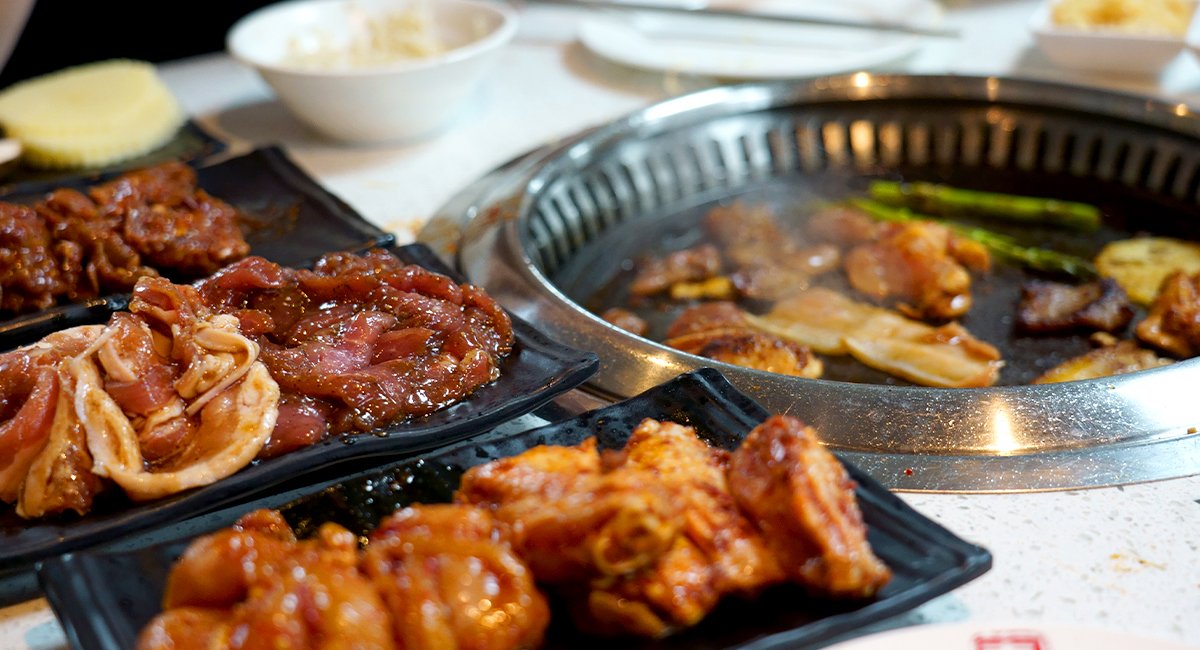
Halal and vegetarian options remain limited, though improving. Pork dominates menus, and many banchan contain fish based ingredients. Diners with restrictions should check ahead.
Who It Works For and Who It Doesn’t
korean bbq manchester suits groups looking for interactive dining without fine-dining prices. It works for students, young professionals, and anyone comfortable with a hands-on meal. It’s loud, social, and forgiving.
It’s less suitable for diners who want passive service. You cook, you manage the grill, you pace the meal. Service is efficient rather than indulgent. Solo diners can attend, but the format rewards numbers.
The Bigger Picture
Manchester’s appetite for affordable, sociable dining aligns naturally with Korean barbecue. Compared with London, the city’s scene is younger and more value driven, leaning toward all you can eat formats rather than ultra premium cuts. That reflects the market, not a lack of ambition.
With established venues holding steady and large scale openings signalling confidence, Korean BBQ Manchester has moved beyond trend status. It’s become part of how Manchester eats smoky, informal, and built around the table rather than the chef.
Read More: Northern Quarter Manchester: Inside the Creative Heart of a City That Refuses to Conform
