

Manchester’s club scene has always been more than a night out. It is part of the city’s cultural DNA. From the Haçienda era that helped shape acid house to today’s warehouse raves and sweat-soaked basement venues, clubs Manchester locals actually respect are built on heritage, risk, and evolution.
This is not a tourist listicle.
This is a local reporter’s guide to clubs Manchester, written by someone who understands how the city really goes out.
Understanding Clubs Manchester by Area
Manchester nightlife is not concentrated in one zone, and that is deliberate. Each area attracts different crowds, music styles, and expectations. Knowing where you are matters as much as knowing where you are going.
Northern Quarter: The Core of Clubs Manchester Underground
Northern Quarter remains the beating heart of clubs Manchester with an underground identity. This is where venues prioritise music over image.
- SOUP operates as a bar upstairs with an intense basement club below. Low ceilings, stripped-back lighting, and programming that spans experimental live acts and late-night club sessions make it one of the city’s most respected small rooms.
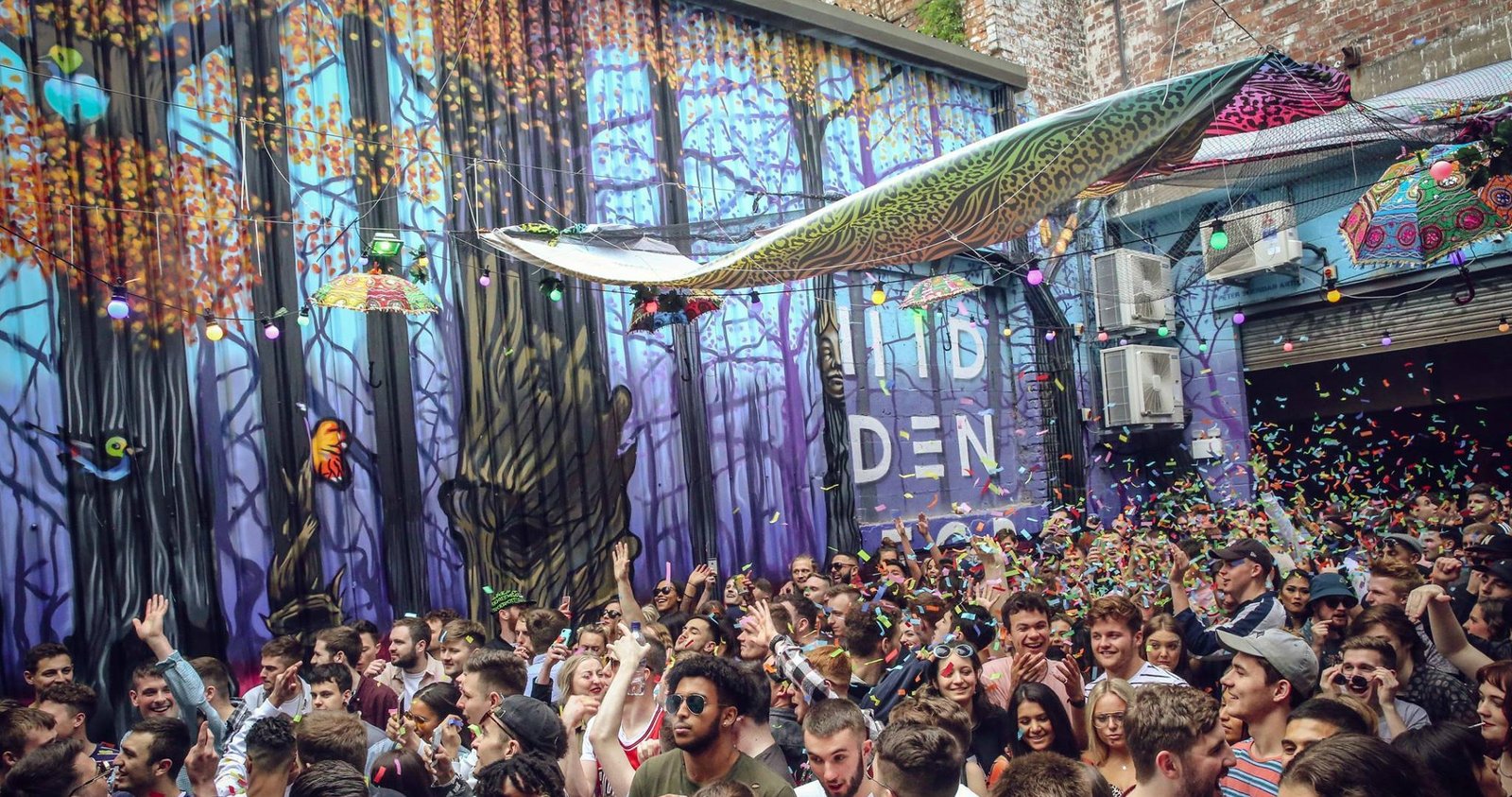
- Hidden, located in a warehouse on Mary Street, runs multiple spaces including the Den, Hangar Space, and courtyard. House, techno, disco, and bass-driven nights dominate, attracting a crowd that comes for the DJs rather than the drinks.
If you want the authentic side of clubs Manchester, this is where it starts.
Deansgate Locks: Convenience Over Culture
Deansgate Locks offers density rather than depth. Converted railway arches house multiple venues, making it easy to move between spaces without travelling far.
Among Manchester locals, the area is widely seen as dated. Younger crowds increasingly bypass it in favour of Northern Quarter venues where conversation, music quality, and atmosphere still matter. For visitors wanting predictability, it works. For those seeking the real clubs Manchester experience, it is rarely the first choice.
Gay Village: Late Licences and Inclusive Energy
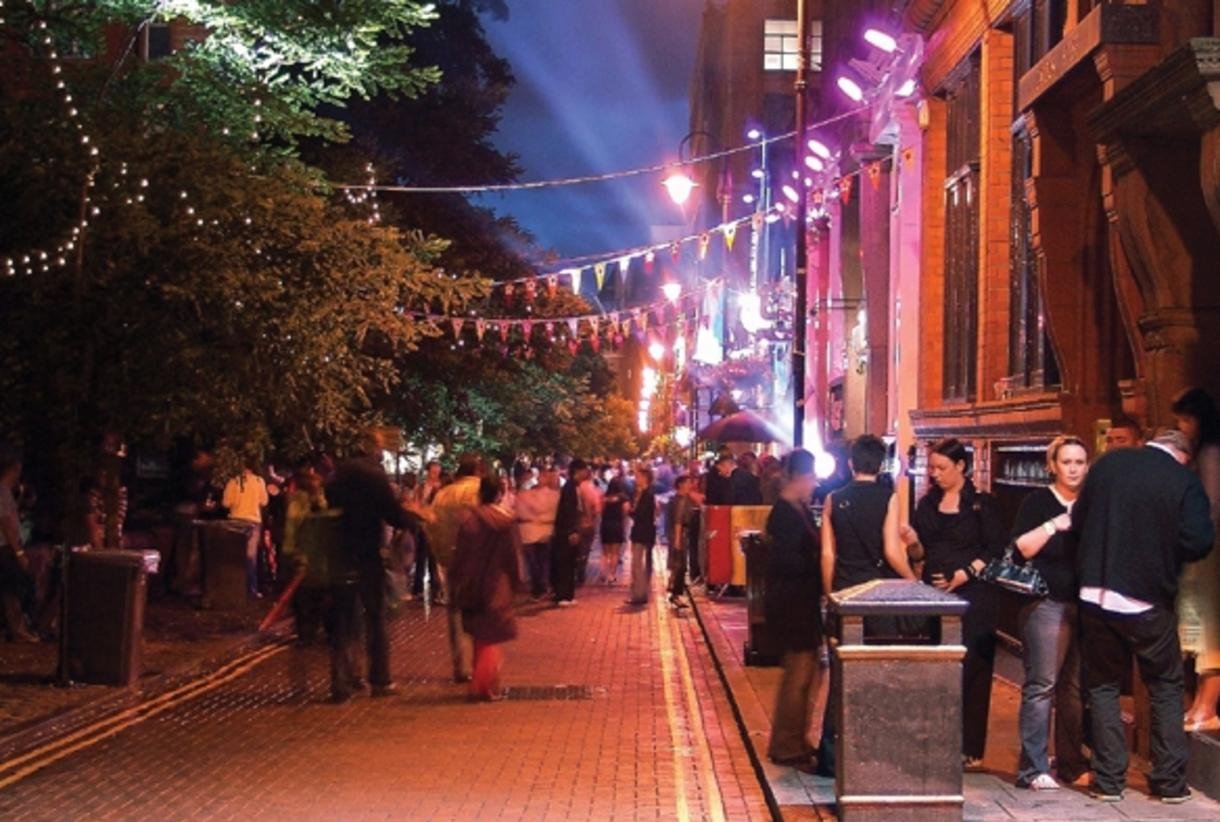
Centred on Canal Street, the Gay Village remains one of the few areas where clubs Manchester genuinely run into the early morning.
- Cruz 101 is known for weekend openings until 7am, mixing disco, house, trance, R&B, and pop.
The Village has broadened beyond its LGBTQ+ core audience, bringing both commercial success and debate about identity. What remains constant is late licences, a welcoming atmosphere, and a crowd that stays long after other areas shut.
Depot Mayfield: Large-Scale Clubs Manchester Events

Opposite Piccadilly Station, Depot Mayfield hosts The Warehouse Project from autumn through New Year.
With capacity nearing 10,000, this is clubs Manchester at industrial scale. It is less a weekly club and more a seasonal pilgrimage for electronic music fans. Expect strict searches, long queues at peak times, and line-ups featuring globally recognised artists.
Salford’s Industrial Fringe: Manchester’s Last True Underground
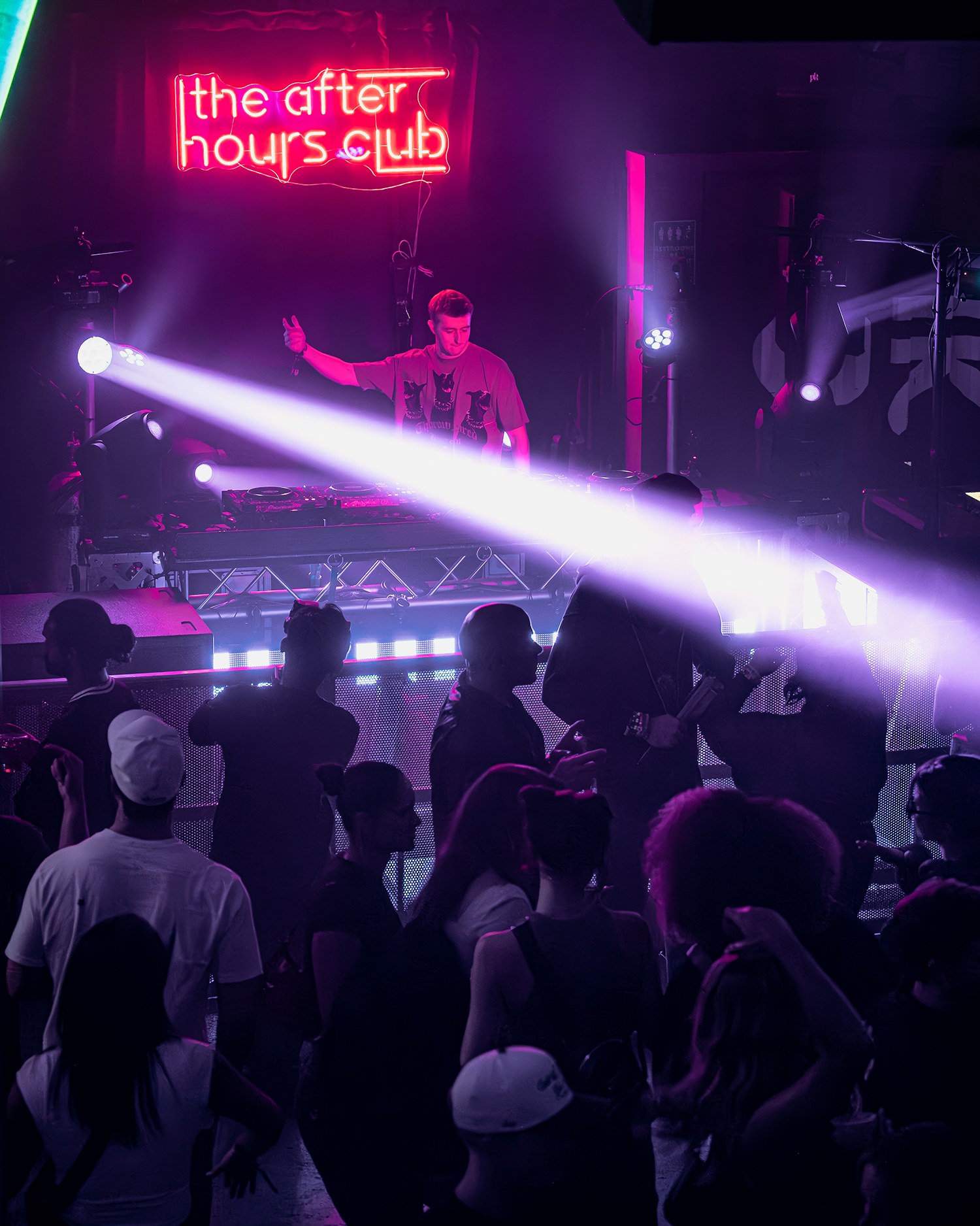
Near HMP Manchester sits The White Hotel, a former garage turned club that operates on its own terms.
With a capacity of around 250 and flexible closing times that often stretch past sunrise, this venue embodies the uncompromising spirit that made clubs Manchester globally influential. It is not comfortable, it is not commercial, and that is exactly the point.
Venues That Define Clubs Manchester in 2026
Underground Circuit
Hidden, SOUP, and The White Hotel define the underground layer of clubs Manchester. Entry typically ranges from £5 to £15, music comes first, and crowds skew older, more knowledgeable, and less image-driven.
Heritage Venues
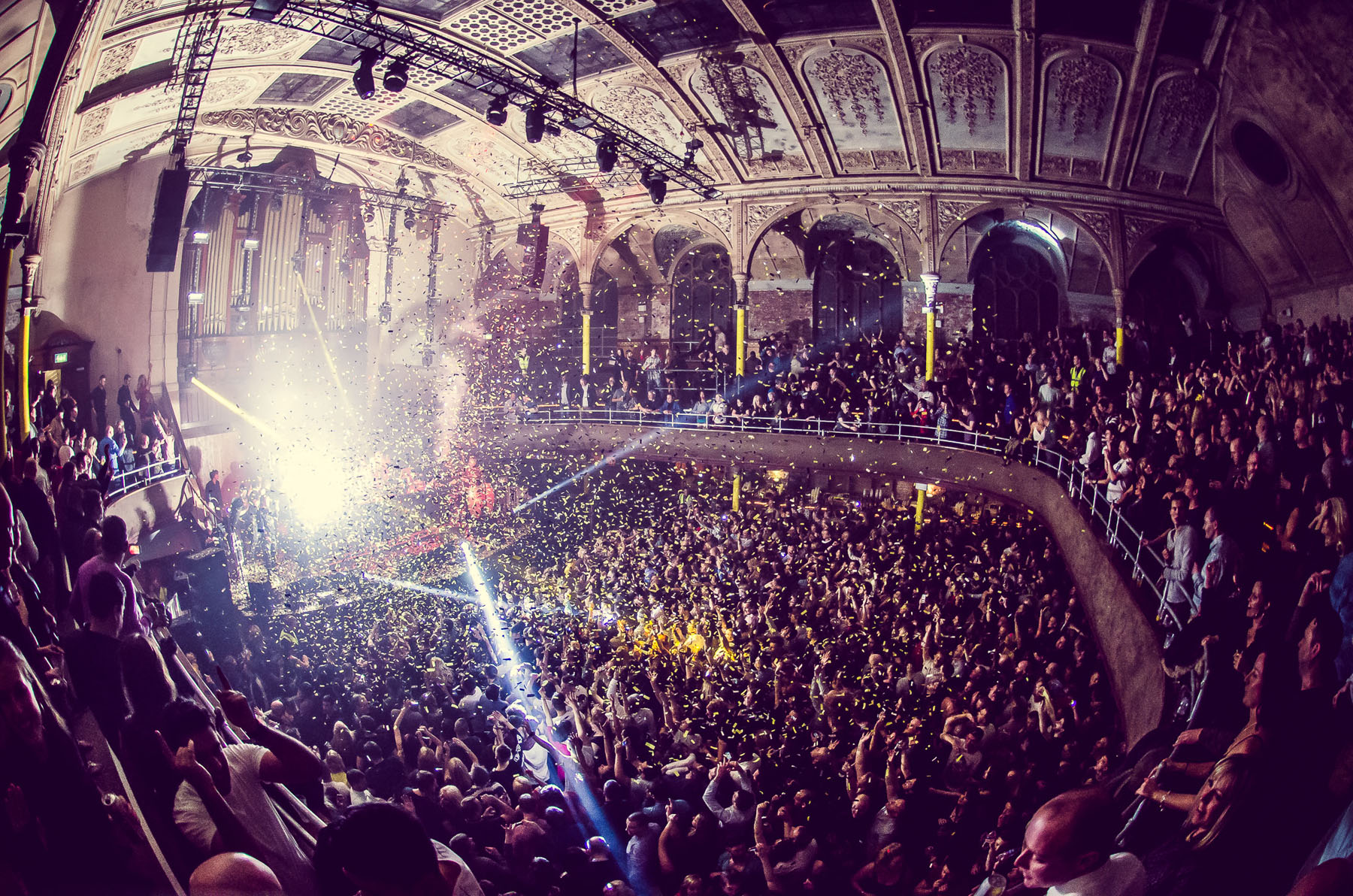
- FAC251 – The Factory connects directly to Manchester’s musical history, operating from the former Factory Records offices.
- Albert Hall blends striking architecture with curated club nights and live performances.
- Joshua Brooks remains a go-to for serious house and techno fans, despite its understated exterior.
These venues show how clubs Manchester respects its past without being trapped by it.
Commercial Circuit
Large-scale operations like The Warehouse Project and O2 Victoria Warehouse offer slick production and big crowds. Printworks, while convenient, functions more as an entertainment complex than a traditional club district, with most venues closing by 2am.
Alternative and Rock Clubs Manchester
- 42’s remains Manchester’s long-standing home for indie and alternative music.
- Satan’s Hollow is the city’s only dedicated rock and metal club, known for cheap entry and a non-judgemental crowd.
These venues keep guitars alive within clubs Manchester, even as electronic music dominates.
Music, Crowds, and What to Expect from Clubs Manchester
House and techno dominate underground programming, while indie, rock, R&B, hip-hop, and afrobeats remain concentrated in specific venues. Student nights skew cheaper and louder. Weekend sessions attract older crowds focused on music quality.
The diversity of people is a defining strength of clubs Manchester. There is no single right way to go out.
Practical Information for Clubs Manchester
Entry, Pricing, and Dress Code
- Underground venues typically charge £5 to £15
- Large-scale events range from £20 to £40
- Dress codes are relaxed and trainers are widely accepted
- Avoid football shirts and tracksuits if unsure
ID and Door Policies
All clubs Manchester are strictly 18+. Accepted ID includes passport, driving licence, or PASS card. Door discretion is real, particularly for large groups.
Safety and Transport
Anti-spiking measures are now standard at many venues. Piccadilly Station is within walking distance of most central clubs, with taxis operating all night and first trains resuming around 5am to 6am.
What Makes Clubs Manchester Different
Manchester’s club culture has never prioritised polish. The Haçienda lost money but changed music history. That same mindset survives in basements, warehouses, and former garages across the city.
Clubs Manchester works because it offers choice without judgement. You can have predictable nights, massive warehouse events, or raw underground sessions depending on what you want.
The Reality Check
Not everything works perfectly. Deansgate Locks feels outdated. Door policies can be inconsistent. Drink prices vary widely. Despite the city’s reputation, true all-night clubbing mainly exists on Canal Street and in Salford.
These are trade-offs, not failures. Manchester’s strength is variety.
Clubs Manchester in 2026
The best nights in clubs Manchester are rarely the most Instagrammable. They are the nights where time disappears because the music actually connects.
If you want a polished experience, Manchester offers that.
If you want something raw, it still exists behind unmarked doors, down concrete staircases, and in rooms most people walk past without noticing.
The warehouses are still here.
The basements are still sweaty.
And the spirit that made Manchester legendary is still alive for those who know where to look.
Read More: Best Trampoline Park Manchester 2026: Local Reviews, Prices and What Parents Should Know