


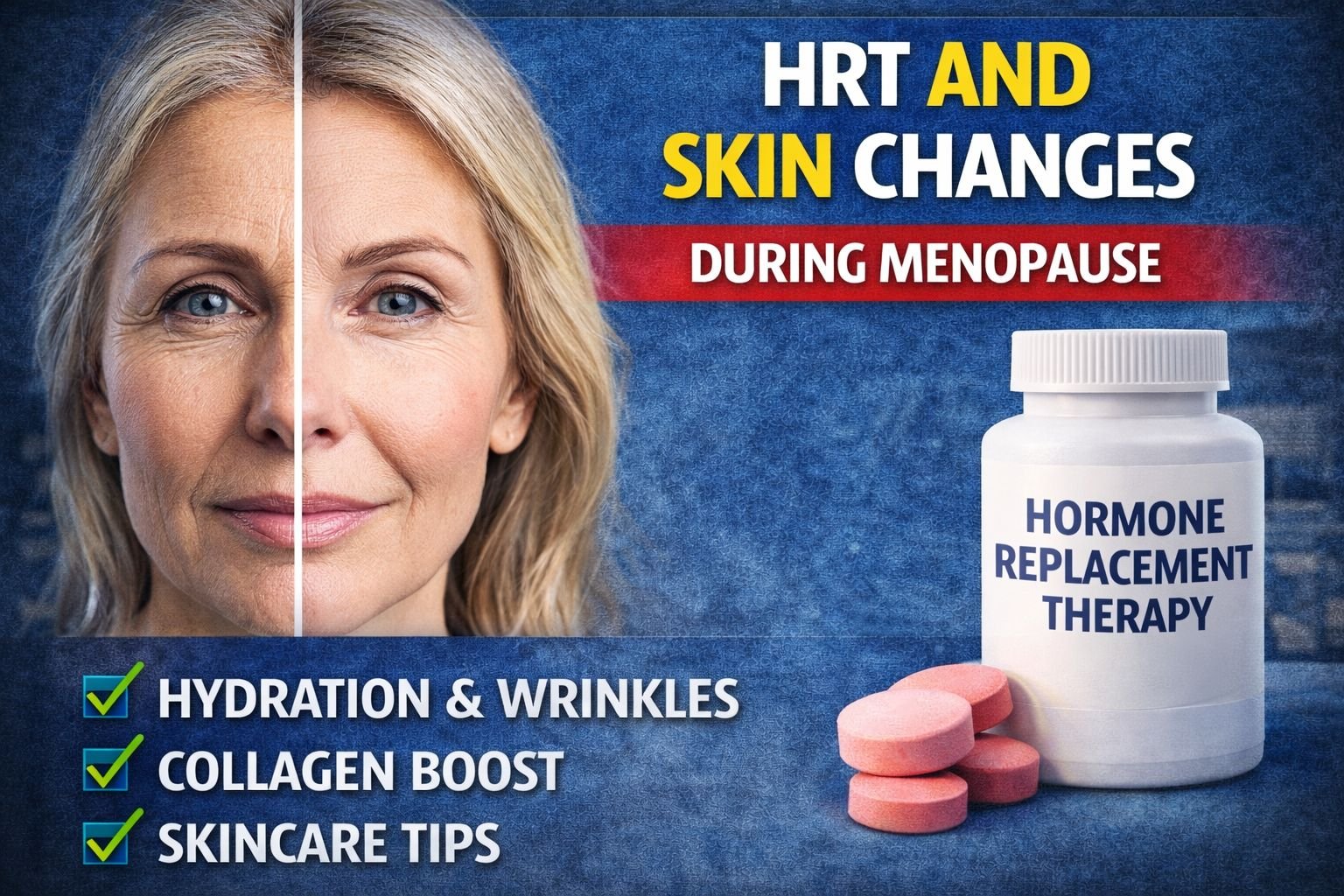
Hormone replacement therapy isn’t just about managing hot flashes and night sweats. For many women navigating menopause, the skin changes can be equally challenging and equally responsive to treatment. Understanding HRT and skin changes helps you set realistic expectations while adapting your skincare routine for optimal results during this hormonal transition.
The decline in estrogen during menopause contributes to structural and functional skin changes, including decreased collagen production, reduced elasticity, and moisture loss. These changes result in dryness, increased wrinkle depth, and loss of skin firmness that can feel sudden and overwhelming. Hormone replacement therapy addresses the underlying hormonal deficit, offering benefits that extend well beyond symptom relief to include measurable improvements in skin health and appearance.
Understanding How Estrogen Impacts Skin Health
Estrogen acts powerfully on skin tissue through receptors in the epidermis, dermis, sebaceous glands, and pigment pathways. When estrogen levels decline during menopause, multiple skin functions deteriorate simultaneously. According to research on estrogen and skin aging, in estrogen-deficient women, skin thickness reduces by 1.13% and collagen content decreases by 2% per postmenopausal year.
The most dramatic changes occur during the first five years after menopause, when Type I and III skin collagen can decrease by as much as 30%. This isn’t gradual aging—it’s an accelerated deterioration directly linked to hormonal depletion. Skin collagen content declines with menopausal age rather than chronological age, at an average rate of 2.1% per postmenopausal year over a 15-year period.
These structural changes manifest in visible ways that many women recognize immediately. Loss of collagen and elastin leads to sagging and wrinkle formation. Decreased fibroblast function impairs the skin’s ability to repair itself. Reduced vascularity compromises nutrient delivery, while increased matrix metalloproteinase activity accelerates cellular and extracellular degradation. The combined effect is skin that looks thinner, drier, less elastic, and more fragile than before menopause.
What HRT Does at the Cellular Level
Hormone replacement therapy counteracts these changes by restoring estrogen to levels sufficient for maintaining skin structure and function. Most studies with estrogen replacement therapy, both oral and topical, show an increase in skin thickness and dermal collagen. HRT increases collagen and elastin synthesis through receptor-mediated fibroblast activation, which manifests as improved firmness and reduced fine lines over months.
Beyond structural improvements, HRT enhances skin hydration through multiple mechanisms. Estrogen promotes glycosaminoglycan production and hyaluronic acid maintenance, improving moisture retention and skin plumpness within weeks. This rapid hydration response is often one of the first benefits women notice when starting HRT, reinforcing the visible connection between HRT and skin changes.
Expected Skin Changes During HRT
The timeline and nature of skin improvements vary based on individual factors including age, baseline skin condition, type of HRT, and duration of use. Understanding what to expect helps distinguish normal adjustment from issues requiring medical attention when monitoring HRT and skin changes.
Timeline of Visible Improvements
| Timeframe | Expected Skin Changes | Mechanism |
|---|---|---|
| 2-4 weeks | Increased hydration, improved skin plumpness, reduced surface dryness | Enhanced glycosaminoglycan and hyaluronic acid production |
| 6-12 weeks | Better barrier function, decreased sensitivity, more even tone | Improved epidermal differentiation and lipid synthesis |
| 3-6 months | Increased firmness, reduced fine lines, improved texture | Collagen synthesis initiation and fibroblast activation |
| 6-12 months | Enhanced elasticity, decreased wrinkle depth, thicker dermis | Sustained collagen deposition and elastin remodeling |
| 1+ years | Continued structural improvements, maintained skin quality | Ongoing collagen maintenance at 2-3% increase per year |
Research confirms that estrogen therapy can improve collagen and skin thickness within three months, with some studies noting visible skin improvements in as little as two weeks. A 2022 meta-analysis confirmed that menopausal hormone therapy significantly improves elasticity, wrinkle depth, and collagen density across diverse patient populations.
The most compelling long-term evidence comes from comparative studies. According to findings published in Fertility and Sterility, postmenopausal women who had continuously used HRT and skin changes since menopause had greater skin elasticity and significantly fewer wrinkles compared to women who had never received hormone therapy. This suggests that early initiation and consistent use may offer the most substantial protective benefits.
Read More: Using Minoxidil for Beard Growth: Does It Actually Work?
Positive Effects to Anticipate
Most women experience improvements in multiple aspects of skin health during HRT and skin changes. These benefits extend beyond cosmetic appearance to include functional improvements in skin barrier integrity and wound healing capacity.
Hydration and barrier function typically improve first. Estrogen increases epidermal hydration, helping restore the skin’s protective barrier. This reduces transepidermal water loss, making skin feel softer and look more supple. Women with severe menopausal dryness often describe this as their skin finally feeling comfortable again.
Collagen density and elasticity improvements become apparent over months. Women treated with topical HRT showed statistically significant increased collagen type I as well as a 38% increase in hydroxyproline levels, a marker of collagen synthesis. This translates to skin that feels firmer, bounces back more readily when pressed, and develops fewer new wrinkles.
Reduction in wrinkle depth occurs gradually as underlying collagen structure improves. While HRT isn’t a cosmetic filler, the cumulative effect of improved collagen, elastin, and hydration produces measurable improvements in both fine lines and deeper wrinkles. This effect is particularly notable around the eyes and mouth, where skin is naturally thinner.
Improved wound healing reflects better overall skin function. Estrogen supports multiple aspects of tissue repair, from inflammatory response to collagen deposition. Women on HRT often notice that minor cuts, abrasions, and procedural wounds heal more quickly and with better cosmetic outcomes.
Potential Challenges and Side Effects
While most skin changes during HRT are positive, some women experience unwanted effects that require skincare adjustments or medical consultation. Understanding the difference between normal adjustment and problematic reactions ensures appropriate management.
Increased oiliness can occur, particularly with hormone formulations containing androgens. Testosterone and certain progestins stimulate sebum production, potentially leading to clogged pores and breakouts. According to dermatologists specializing in hormone therapy, while estrogen typically clears up acne, you may notice increased cystic acne with testosterone supplements.
This is not universal—many women see acne improve on HRT and skin changes but those who develop new breakouts should consult their prescribing physician about adjusting hormone ratios or types. Concurrent topical acne management with salicylic acid, benzoyl peroxide, or prescription retinoids can control symptoms while hormones stabilize.
Initial sensitivity or irritation sometimes occurs during the first weeks of treatment as skin adjusts to changing hormone levels. This typically resolves within 4-8 weeks as barrier function improves. During this transition period, simplified skincare routines with gentle, fragrance-free products minimize additional irritation.
Hyperpigmentation can worsen in some women, particularly those with melasma or a history of hormonal pigmentation. Estrogen influences melanocyte activity, and some formulations may darken existing brown spots. Daily broad-spectrum sunscreen (SPF 30 or higher) is essential during HRT and skin changes, with vitamin C serums and niacinamide offering additional protective benefits.
Skin reactions to delivery method are possible with patches, gels, or creams. Transdermal applications may cause localized irritation, redness, or adhesive reactions. Rotating application sites and using hypoallergenic formulations reduces these issues, though some women ultimately require oral administration.
Adapting Your Skincare Routine for HRT
Strategic skincare adjustments maximize the benefits of HRT while addressing any challenges that emerge during hormonal transition. The goal is supporting your skin’s response to treatment rather than working against natural improvements.
Essential Adjustments by Skin Response
| Skin Response | Routine Adjustment | Product Recommendations | Timing |
|---|---|---|---|
| Increased dryness (weeks 1-4) | Add hydrating serum, richer moisturizer | Hyaluronic acid, ceramides, glycerin | Morning and night |
| Increased oiliness | Switch to lightweight, oil-free formulas | Gel moisturizers, niacinamide serums | As needed |
| Sensitivity or irritation | Simplify routine, remove actives temporarily | Gentle cleansers, barrier repair creams | Until stabilized (4-8 weeks) |
| Improved firmness (months 3-6) | Introduce targeted anti-aging actives | Retinol, peptides, vitamin C | Gradually |
| Hyperpigmentation concerns | Add brightening ingredients, strict sun protection | Vitamin C, niacinamide, tranexamic acid, SPF 50 | Daily, ongoing |
Hydration-Focused Strategies
Regardless of your specific skin response, maintaining optimal hydration supports HRT’s beneficial effects. Daily moisturizing helps maintain the skin barrier, allowing hormonal improvements in collagen and elastin to manifest fully. According to dermatologist recommendations for HRT skincare, if you have oily skin, use oil-free or gel products with humectants like glycerin and hyaluronic acid.
Layering hydrating products produces better results than single heavy creams for most women on HRT. Start with a hydrating toner or essence containing hyaluronic acid, follow with a lightweight serum, and seal everything with an appropriate moisturizer for your skin type. This approach delivers hydration at multiple epidermal levels while accommodating individual texture preferences.
Read Also: 5 Evidence Based Ways to Fade Hyperpigmentation Treatment Faster
When to Introduce Active Ingredients
The improved collagen synthesis and barrier function from HRT create an ideal environment for evidence-based anti-aging ingredients. However, timing matters—introducing actives too early can cause irritation, while waiting too long means missing opportunities for synergistic benefits.
Retinol or retinol alternatives work exceptionally well alongside HRT and skin changes. The combination addresses aging from multiple angles: HRT restores hormonal support for collagen synthesis while retinoids accelerate cell turnover and stimulate additional collagen production. Many dermatologists recommend incorporating retinol into your routine during HRT to maximize anti-aging benefits.
Start with lower concentrations if you’re new to retinoids, applying 2-3 times weekly and gradually increasing as tolerance develops. If irritation occurs, consider retinol alternatives like bakuchiol or advanced peptide treatments specifically designed for mature, hormone-transitioning skin.
Vitamin C serums offer complementary benefits by supporting collagen synthesis, providing antioxidant protection, and addressing pigmentation concerns. L-ascorbic acid in concentrations of 10-20% delivers clinical benefits when formulated at appropriate pH. Apply vitamin C in the morning before sunscreen for maximum photoprotection.
Peptides work synergistically with HRT’s collagen-boosting effects. Matrixyl, copper peptides, and growth factor-mimicking peptides signal additional collagen production and tissue repair. These ingredients are particularly effective during months 3-12 of HRT when collagen synthesis is actively increasing.
Professional Treatments to Consider
Clinical procedures can enhance HRT and skin changes benefits while addressing concerns that topical products alone can’t fully resolve. Dermatologists specializing in menopausal skin recommend specific treatments that complement hormonal therapy.
Microneedling stimulates collagen production through controlled micro-injuries, working synergistically with HRT’s hormonal support for tissue repair. Women on HRT often experience more dramatic microneedling results and faster healing compared to untreated postmenopausal women. Quarterly treatments during the first year of HRT maximize collagen induction when hormonal support is newly restored.
Laser treatments for pigmentation, texture, and tone refinement can be safely performed during HRT with appropriate precautions. Fractional lasers, IPL for pigmentation, and gentle resurfacing treatments address concerns that hormones alone can’t correct. Schedule these during stable hormone phases and maintain strict sun protection throughout treatment courses.
Chemical peels support cell turnover and address textural concerns. Light to medium peels with glycolic, lactic, or salicylic acid work well for most women on HRT. These treatments complement improved collagen synthesis by removing accumulated surface damage and stimulating fresh cell growth.
Medical Considerations and When to Consult Professionals
While many skin changes during HRT and skin changes are normal and beneficial, certain symptoms warrant medical evaluation. Distinguishing expected responses from concerning reactions ensures safe, effective treatment.
Signs You Need Medical Review
Severe or persistent acne that doesn’t improve with topical treatment may indicate hormone imbalance requiring prescription adjustment. If your skin feels too oily, too dry, too irritated, or too anything after starting hormone therapy, don’t assume it’s a problem you have to live with. According to medical guidance on HRT adjustments, hormone therapy requires a check-in at 8-12 weeks to adjust if needed, and little tweaks early on can help your skin get the full benefit.
Rapidly worsening pigmentation or new dark patches should be evaluated to rule out other causes beyond hormonal effects. While some hyperpigmentation is expected with certain HRT formulations, sudden or dramatic changes warrant dermatologic assessment.
Persistent redness, rash, or contact dermatitis at application sites for transdermal HRT may require switching delivery methods or formulations. Allergic reactions, though uncommon, need prompt medical attention.
Unexpected textural changes including significant roughness, scaliness, or new skin thickening should be professionally evaluated. While HRT generally improves texture, any concerning changes deserve assessment to exclude unrelated dermatologic conditions.
Working With Your Healthcare Team
Optimal results require coordination between your hormone prescriber and dermatologist. Seeing a dermatologist at the start of your HRT journey allows preparation for changes you may see and provides guidance on treatment options available—whether prescription medications, laser treatments, microneedling, or skincare recommendations.
Schedule follow-up appointments at strategic intervals: 8-12 weeks after starting HRT and skin changes for initial assessment, 6 months to evaluate medium-term changes, and annually thereafter for maintenance evaluation. These visits allow adjustments to both hormone therapy and skincare regimens based on observed responses.
Maintenance strategies include scheduled dermatologic assessments, periodic aesthetic touch-ups, and ongoing topical regimens to protect and enhance systemic gains. This integrative approach maximizes both the health and appearance benefits of hormone replacement therapy.
The Bottom Line on HRT and Skin Health
Hormone replacement therapy offers substantial skin benefits that extend well beyond managing menopausal symptoms. Research consistently demonstrates improvements in hydration, elasticity, collagen density, and wrinkle depth for most women receiving appropriate treatment. Understanding how hormonal shifts affect skin during menopause helps set realistic expectations while recognizing when adjustments are needed.
The key to maximizing these benefits lies in strategic skincare adaptation that supports your skin’s hormonal transition. Simple adjustments to hydration, sun protection, and active ingredient timing can dramatically enhance the visible improvements HRT produces. According to evidence from dermatology research, estrogens have beneficial effects on aging skin, with hormone replacement therapy improving epidermal hydration, skin elasticity, and skin thickness while reducing wrinkles.
Remember that skin changes from HRT and skin changes develop gradually over months to years, not overnight. Patience during the initial adjustment period, combined with appropriate skincare support and professional guidance, produces the most satisfying long-term outcomes. Whether you’re considering HRT primarily for skin benefits or viewing improved complexion as a welcome secondary effect, understanding what to expect helps you make informed decisions and optimize results throughout your menopausal transition.
Read More: How HSE’s 2026 Telehealth Expansion Could Transform Hair Loss Treatment in Ireland
