


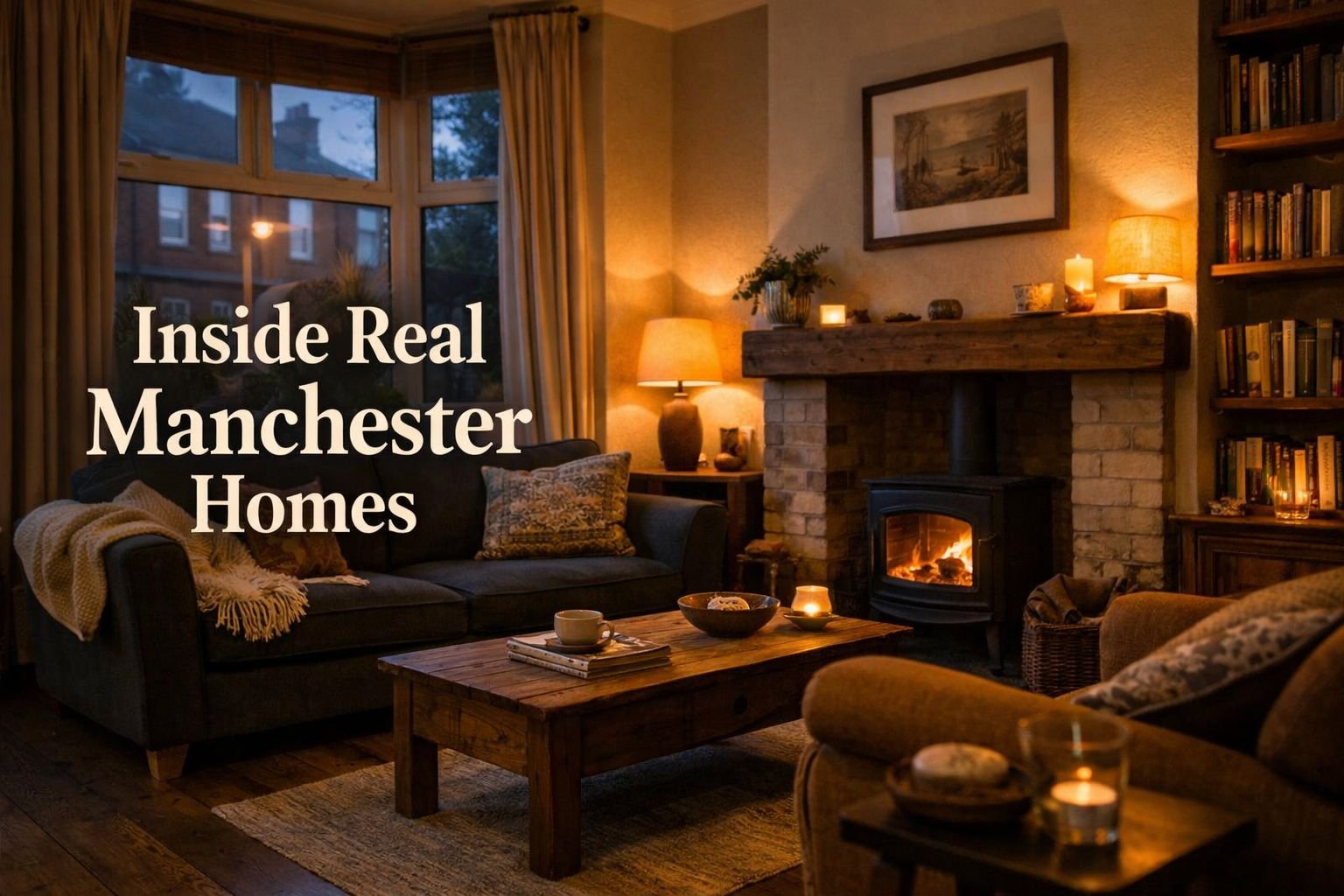
Reported from Manchester by ManchesterTime, examining how interior designmode24 reflects the real way Northern homes are evolving in 2026.
Walk down any residential street in Didsbury on a winter evening and you notice it almost without trying. Through softly lit windows, terrace after terrace reveals the same quiet shift taking place. Timber floors where carpet once lay. Walls painted in warmer tones than the cool greys of five years ago. Fewer pieces of furniture, but each chosen with intention. This is not a look imported wholesale from social media. It is what happens when Manchester homeowners start valuing atmosphere over aspiration.
That shift is increasingly reflected in Interior DesignMode24, which has emerged as a reference point for how UK homes are actually being lived in, not styled for display. For those renovating Victorian mid-terraces in Chorlton, converting basements in Ancoats, or reworking flats around Salford Quays, its principles offer a practical design language shaped by Northern housing realities and contemporary lifestyles.
The Manchester Housing Reality Behind Interior Design Decisions
Manchester’s residential landscape is dominated by Victorian and Edwardian terraces, built rapidly during nineteenth-century industrial expansion. These homes, with their solid brick walls, high ceilings, and narrow footprints, bring challenges that continue to shape interior decisions today.
Damp remains a common concern, particularly in basement conversions and ground-floor extensions where ventilation and waterproofing must be resolved before aesthetics even enter the conversation. Limited natural light in mid-terrace layouts pushes many homeowners towards rear extensions, side returns, and structural glazing that opens interiors to the garden and sky. The most successful renovations across West Didsbury, Ancoats, and Hulme acknowledge these constraints rather than fight them.
ManchesterTime has covered the city’s housing and regeneration shifts for years, and these interior changes mirror what we consistently see across Greater Manchester homes: design choices driven by practicality first, style second, and longevity always in mind.
Why Manchester Homes Are Moving Away From Fully Open-Plan Living
For more than a decade, open-plan living defined UK renovation culture. Walls came down, kitchens merged with lounges, and flexibility became the promise. That approach is now being reconsidered, particularly in Manchester’s compact housing stock.
Homeowners are rediscovering the value of defined spaces that serve clear purposes. Reading corners that feel enclosed. Dining areas shaped for conversation rather than foot traffic. Living rooms designed for rest rather than constant movement. This does not mean a return to boxed-in Victorian layouts, but a softer zoning of space through floor changes, furniture placement, and partial partitions.
Hybrid working has accelerated this shift. With more time spent at home, rooms must support focus as well as relaxation. A living area may double as a workspace during the day, then transition into a quieter, softer environment in the evening. Interior designmode24 reflects this move towards clarity and balance rather than unchecked openness.
The Natural Materials Now Defining Manchester Interiors
One of the most noticeable developments in recent UK interiors is the renewed emphasis on natural materials. Timber is chosen for character rather than uniformity. Visible grain, knots, and tonal variation are embraced. Darker woods such as walnut and smoked oak are replacing the pale finishes that dominated earlier in the decade.
Stone, textured plaster, and woven fibres are increasingly layered together, creating interiors that engage more than just the eye. These tactile environments feel grounded and reassuring, particularly in a city where long winters and limited daylight make warmth and comfort essential.
In Manchester homes, material choices also serve practical functions. Breathable finishes support moisture control in older properties. Durable surfaces withstand daily use. These are not aesthetic indulgences, but considered responses to climate, construction, and lifestyle.
Warmer Neutrals and a Shift Away From Cool Greys
The era of cool grey interiors is fading. In its place, warmer neutrals and earth-derived colours are becoming the norm. Soft browns, clay tones, muted greens, and honeyed woods dominate Manchester homes, offering depth without heaviness.
This shift reflects both psychological and environmental realities. Warmer palettes create comfort in north-facing rooms and mid-terrace properties where daylight is limited. They also align with a broader desire for interiors that feel calming rather than stark.
Kitchens, once defined by white and pale grey units, are now embracing warmer cabinetry and textured finishes. Bedrooms favour soft, enveloping tones that promote rest. Interior designmode24 captures this transition without exaggeration, grounding colour choices in how spaces are actually used.
Texture as a Quiet Design Statement
Rather than relying on bold colour or statement pieces, many Manchester interiors now use texture to build interest. Woven fabrics, heavily grained wood, and tactile wall finishes introduce depth without visual clutter.
This approach suits smaller homes particularly well. In terraces and flats where space is limited, texture offers richness without overwhelming a room. It also reflects a cultural shift away from mass-produced uniformity towards materials that show variation and craft.
Interior designmode24 consistently frames texture as a tool for comfort and longevity rather than trend-led decoration, reinforcing its relevance to real UK homes.
Lighting Choices Shaped by Northern Living
Lighting has become central to interior planning, especially in Manchester properties where daylight can be inconsistent. Layered lighting schemes now replace single overhead fittings, combining ambient, task, and softer accent lighting.
Warm white light dominates living spaces, supported by dimmers that allow rooms to adapt throughout the day. In bedrooms, low-level lighting creates calm. In kitchen extensions, skylights and glazing introduce natural light where original layouts once felt closed in.
Rather than mimicking daylight, the aim is atmosphere. Interior designmode24 reflects this understanding, treating lighting as a structural element of comfort rather than an afterthought.
Storage, Layout, and the Reality of Compact Homes
Storage remains one of the most persistent challenges in Manchester housing. Terraces rarely offer generous built-in solutions, and loft or basement conversions often lack integrated storage.
Successful interiors address this through fitted solutions that work with existing architecture. Understairs spaces are reclaimed. Floor-to-ceiling wardrobes maximise height. Multifunctional furniture reduces clutter without sacrificing usability.
These solutions acknowledge the reality that many Manchester homes must serve multiple functions within limited square footage. Interior designmode24 presents this not as compromise, but as thoughtful design.
Open-Plan Extensions, Reconsidered
Rear extensions remain popular across Manchester, particularly in Victorian terraces. The difference lies in execution. Instead of vast, undifferentiated spaces, modern extensions introduce zoning through materials, levels, and ceiling height.
Changes in flooring signal shifts between cooking, dining, and living areas. Glazing connects interiors to gardens without sacrificing acoustic control. The result is openness with intention, rather than openness for its own sake.
This approach reflects how families actually live, balancing connection with separation.
Sustainability as a Baseline Expectation
Energy efficiency is no longer optional. Rising costs and environmental awareness have made insulation, glazing, and efficient heating standard considerations.
In Manchester’s period homes, this often involves compromise. Internal insulation preserves brick facades. Secondary glazing balances heritage with performance. Sustainable material choices favour longevity over fast replacement.
Interior designmode24 reflects this pragmatic sustainability, focusing on what works rather than what sounds impressive.
What Interior DesignMode24 Represents for Manchester Homes
Interior designmode24 does not prescribe a single style. Instead, it reflects how UK homes, particularly in Northern cities, are being adapted to real conditions. Its principles prioritise warmth over spectacle, function over trend, and longevity over novelty.
For Manchester homeowners navigating renovation, extension, or gradual improvement, this approach feels grounded and familiar. It mirrors the lived reality of housing stock shaped by history, climate, and evolving lifestyles.
Rather than chasing design moments, interior designmode24 documents a quieter shift towards homes that support daily life. In Manchester, that restraint may be its greatest strength.
Frequently Asked Questions
What is interior designmode24 and why is it relevant to Manchester homes?
Interior designmode24 reflects a practical approach to interior design that aligns closely with how Manchester homes are built and used. Many properties in the city are Victorian or Edwardian terraces, where considerations such as limited light, storage constraints, and energy efficiency shape design decisions. The principles associated with interior designmode24 prioritise warmth, functionality, and longevity, which suits these homes well.
Are open-plan layouts still popular in Manchester properties?
Open-plan layouts remain common, particularly in rear extensions, but they are increasingly more structured. Manchester homeowners are moving towards defined zones within open spaces using lighting, flooring changes, and partial divisions. This allows flexibility without sacrificing comfort or acoustic separation, especially in compact terraces.
Why are warmer colours replacing grey interiors in UK homes?
Warmer colour palettes perform better in the UK climate, particularly in northern cities like Manchester where natural light can be limited. Earth tones, soft browns, muted greens, and warmer neutrals help interiors feel brighter and more comfortable without relying on harsh lighting. This shift also reflects a broader move away from purely visual trends towards emotional comfort.
How important are natural materials in modern Manchester interiors?
Natural materials play a growing role in Manchester interiors because they offer both aesthetic and practical benefits. Timber, stone, and breathable finishes contribute to healthier indoor environments, particularly in older properties prone to damp. They also age better over time, making them a more sustainable choice for long-term living.
What lighting works best in Manchester homes?
Layered lighting is most effective in Manchester properties. Combining ambient, task, and low-level lighting helps compensate for inconsistent daylight and creates adaptable spaces throughout the day. Warm white lighting is generally preferred, as it supports comfort and avoids the clinical feel associated with cooler tones.
How do Manchester homeowners manage storage in terraced houses?
Storage solutions in Manchester terraces often focus on maximising vertical space and underused areas. Floor-to-ceiling wardrobes, understairs storage, and multifunctional furniture are common approaches. These solutions allow homes to remain uncluttered while accommodating modern living needs such as home working.
Is sustainability a priority in Manchester home renovations?
Yes. Rising energy costs and environmental awareness have made sustainability a core consideration. Insulation upgrades, efficient glazing, and durable materials are now standard expectations rather than optional extras. In period homes, this often involves balancing energy performance with the preservation of original character.
Does interior designmode24 promote a specific style?
Interior designmode24 does not promote a single aesthetic. Instead, it reflects broader shifts in how UK homes are being lived in, focusing on comfort, adaptability, and long-term value. This flexible approach allows homeowners to respond to their property’s structure, location, and lifestyle rather than follow rigid design rules.
Read More: Always Businesses SocialBizMagazine: Why UK Entrepreneurs Are Paying Attention
