


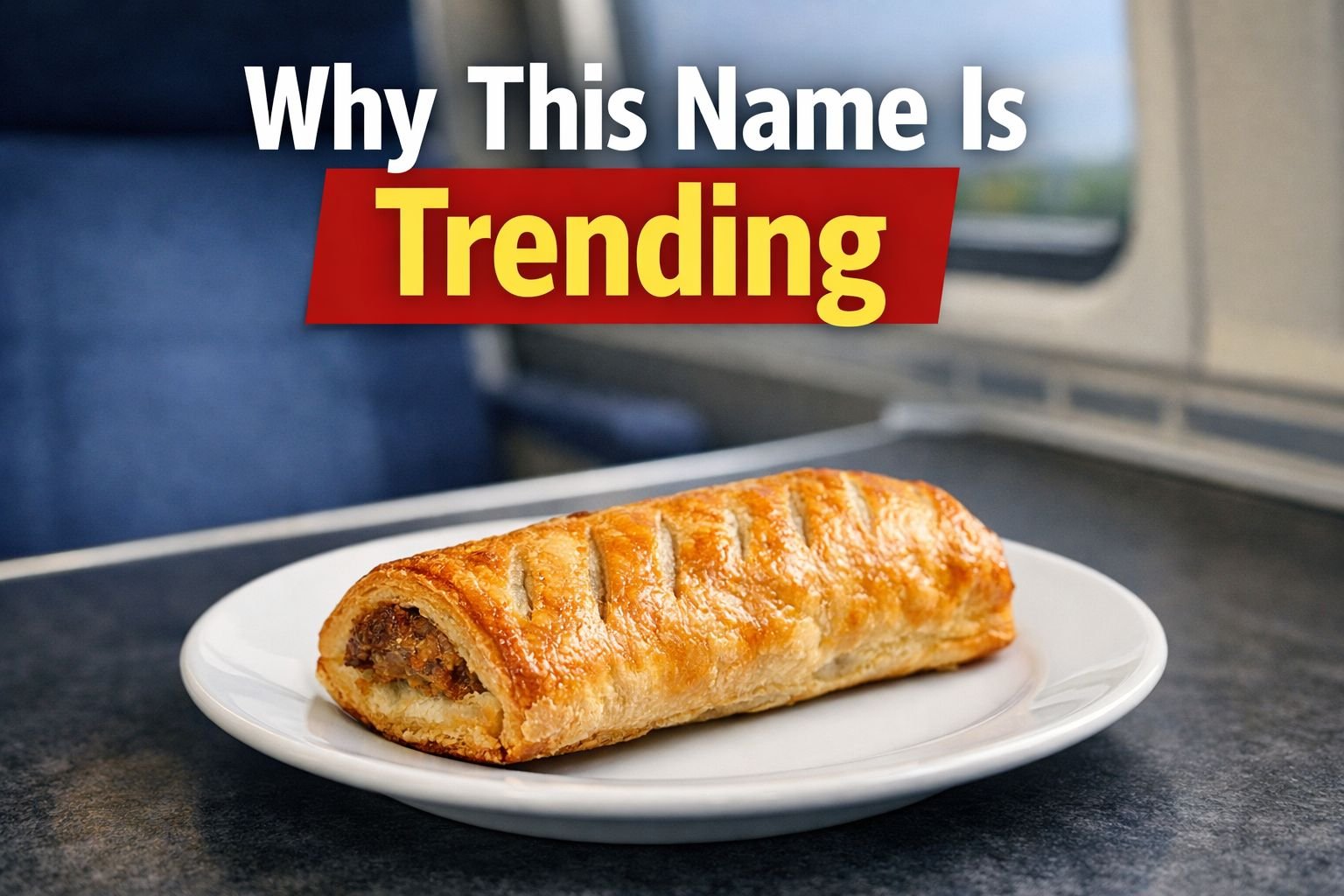
In Britain, sausage rolls are rarely just food. They are shorthand for comfort, routine, and trust something bought without much thought, precisely because they are so familiar. That may explain why the sudden rise in searches for peter duffy sausage rolls has caused confusion, curiosity, and no small amount of disbelief.
At first glance, the phrase sounds like the name of a promising independent bakery or a regional speciality quietly building a reputation. In reality, the story behind peter duffy sausage rolls is more complicated and has little to do with craft baking at all.
What Do People Mean by Peter Duffy Sausage Rolls?
Despite the way the phrase appears in search results, peter duffy sausage rolls are not a branded product and are not associated with a bakery or food business trading under that name.
The term originates from a recent UK employment tribunal case involving a former railway catering employee named Peter Duffy. During the proceedings, it emerged that sausage rolls had been served to passengers after being retrieved from a waste bin in a train kitchen. The incident, which occurred in 2023, only entered the public domain in detail following the publication of the tribunal judgment in early 2026.
Since then, the individual’s name has become unintentionally linked with the incident and, by extension, with the sausage rolls involved.
Why Are People Searching for Them Now?
The spike in interest around peter duffy sausage rolls coincides closely with the timing of the tribunal ruling becoming publicly available. While the incident itself took place several years earlier, the formal judgment confirmed the circumstances and upheld the dismissal for gross misconduct.
In online culture, particularly in the UK, such stories often travel quickly. The contrast between First Class train service and a basic breach of food hygiene expectations proved enough to turn a legal ruling into a widely shared talking point. Many searches appear to come from users trying to understand whether the term refers to a real food product, a joke, or something more serious.
What the Tribunal Established
From an accuracy and trust perspective, it is important to distinguish verified facts from speculation.
According to the tribunal judgment, Peter Duffy was employed in a customer service and catering role on UK rail services. Evidence presented during proceedings supported the claim that food items including sausage rolls had been taken from a bin and later served to passengers. CCTV footage formed part of the employer’s case, and the dismissal was ultimately upheld.
The ruling did not suggest widespread illness or harm to passengers, but it confirmed that the conduct breached food safety standards and justified termination of employment.
What These Sausage Rolls Actually Were
The sausage rolls involved were not homemade or artisanal. They were part of standard onboard catering stock mass-produced items intended to be served fresh and within strict food safety guidelines.
In normal circumstances, such products are handled under clear protocols regarding temperature, shelf life, and disposal. Once discarded, they are not permitted to re-enter service, regardless of appearance or packaging.
It is this breach of basic handling rules rather than the food itself that lies at the heart of why peter duffy sausage rolls have become shorthand for the incident.
Separating Fact From Online Confusion
One unintended consequence of the story’s spread is confusion with legitimate food businesses. There is no connection between this case and any independent bakery, butcher, or food producer operating under a similar name elsewhere in the UK or Ireland.
This distinction matters. Search terms can flatten context, and without clarification, reputations unrelated to the incident risk being unfairly drawn into the narrative.
Why the Story Resonates
The strength of the reaction to peter duffy sausage rolls says less about novelty and more about British expectations. The sausage roll occupies a peculiar place in national life: it is ordinary, affordable, and assumed to be safe. When that assumption is challenged, even in a single, isolated case, it provokes a disproportionate response.
There is also an element of dark humour in how the phrase has been adopted online — a reminder of how quickly individual names can become symbols in the digital age, often without intent or fairness.
Is There Any Food Story Here at All?
From a food reporting perspective, the answer is no. Peter duffy sausage rolls are not a product to seek out, review, or compare. They are not part of Britain’s bakery tradition, nor do they represent a culinary trend.
What they do represent is a cautionary tale about food handling, trust, and how search behaviour can distort meaning once a phrase takes on a life of its own.
The Bottom Line
Anyone searching for peter duffy sausage rolls in the hope of discovering a hidden gem or regional speciality will not find one. The phrase belongs firmly to the realm of news not food and refers to a specific, isolated workplace incident rather than a consumable product.
For those in search of a good sausage roll, the advice remains unchanged: stick to reputable bakers, trusted cafés, and places where freshness and hygiene are visible rather than assumed.
Frequently Asked Questions
Are peter duffy sausage rolls a real food brand?
No. The term refers to a news event, not a commercial bakery product.
Why did the term start trending in 2026?
Because the employment tribunal ruling was published publicly in January 2026, despite the incident occurring earlier.
Were passengers harmed?
There were no confirmed reports of illness, but the tribunal found the food handling unacceptable.
Is this connected to any legitimate bakery or butcher?
No. There is no connection to any food business trading under the same or similar name.
Should people be concerned about railway food safety?
The case reflects an individual breach of standards, not evidence of a systemic issue.
Read More: Cafe Continental Stalybridge Is Drawing Diners Back to Melbourne Street
